Garden Clearance in Harrow for tidy, usable outdoor spaces

Garden clearance in Harrow should make outdoor space easier to use without turning the job into a drawn-out disruption. We remove built-up green waste, broken items, old planters, damaged timber, soil-heavy debris and mixed garden clutter, then separate what can be reused or recycled where suitable. The aim is straightforward: leave the space clearer, easier to maintain and ready for whatever comes next, whether that is a fresh planting plan, landscaping, or simply a more manageable garden.
Our service is suited to routine garden tidy-ups as well as larger clearances after periods of neglect, weather damage or changes in how the space is used. We handle a wide mix of materials, including hedge cuttings, branches, turf, leaves, sheds’ contents and general outdoor rubbish. Garden clearance is often more effective when the job is approached as a practical sort, remove and load process rather than a quick sweep-up, because mixed waste can include items that need separate handling.
For a clear price discussion, it helps to know the type of waste involved and the scale of access to the garden, but you do not need to prepare a perfect inventory. If you are comparing options in Harrow, take a look at the range of services below and then request a quotation when you are ready. A short description of the work is usually enough to begin.
Garden waste, outdoor clutter and bulky items
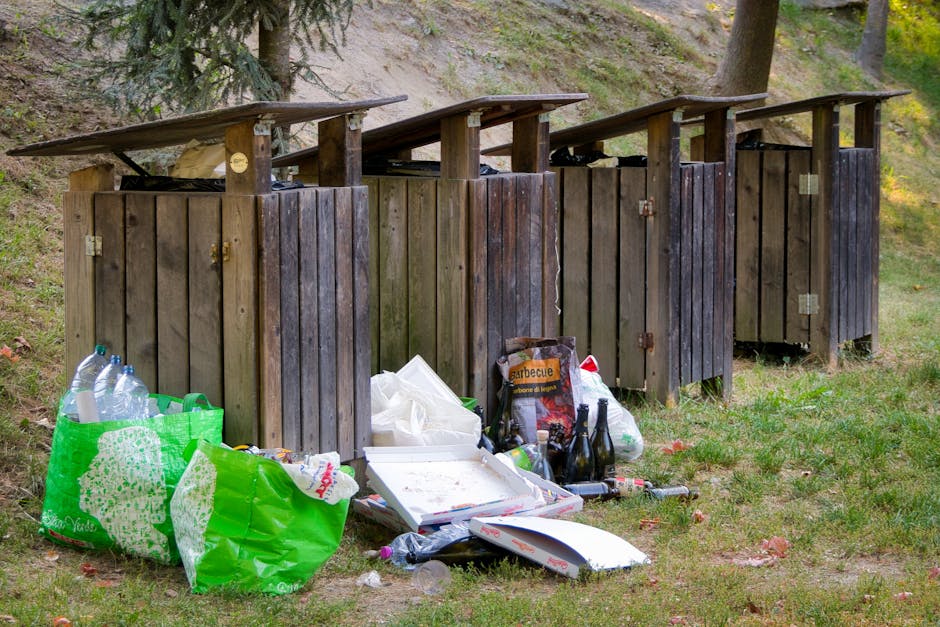
Garden clearance is not just about green waste. Many gardens contain a mix of items that have built up over time: cracked pots, broken fencing, rotting sleepers, old kids’ play equipment, worn storage boxes and general rubbish left after repairs or tidying. We can clear these mixed loads as part of one organised visit, which keeps the work efficient and reduces the need for you to sort every item into separate trips.
Where appropriate, we also deal with heavier pieces such as dismantled garden furniture, collapsed trellis, disused barbecues and worn-out accessories that have been left outdoors. That kind of work matters because it is often the bulky, awkward items rather than the leaves and twigs that prevent a garden from being put back into regular use. If a load includes both green waste and harder materials, we separate the stream carefully so disposal remains sensible and compliant.
What a typical clearance can include
A practical garden clearance might involve one or more of the following: hedge trimmings, branches, weeds, soil spoil, broken pots, plastic edging, ornaments, panels, bags of outdoor rubbish and items stored in sheds or corners of the plot. We can also remove loose waste left after DIY or light landscaping, provided it is still within the scope of a clearance rather than a specialist construction removal. This keeps the service flexible without overstating what every garden will need.
Choosing the right level of clearance

The best clearance plan depends on how much of the garden you want handled and what condition it is in. Some customers only need a border or patio area cleared, while others want an entire rear garden brought back under control. It is useful to think about whether you want a light tidy, a full removal of accumulated waste or a more involved clear-out before gardeners, landscapers or property managers take over the space.
We can work around access points, narrow side returns and enclosed areas where waste needs to be carried by hand rather than rolled out. In more compact Harrow gardens, that practical detail can shape the visit more than the volume alone. We therefore plan the job around both the visible pile and the route out, so that loading is done with less disruption to paths, planting and hard surfaces.
When you are ready to proceed, a brief description of the garden and the main items is usually enough to start. If there are especially awkward materials, mention them early so the visit can be planned properly. Ask for a quotation once you have a clear idea of what needs to go and what should stay.
Hedges, branches and seasonal cuttings
One of the most common parts of garden clearance is the removal of hedge cuttings, prunings and branches after routine maintenance or a heavier cut-back. These materials can take up a surprising amount of room, especially if they have been stacked in a corner or left to dry in place. We collect cuttings in a way that keeps them separate from non-organic waste where possible, which helps support straightforward handling later on.
Seasonal clearances often involve a mix of leaves, small twigs, dead growth and waste that has collected after storms or long periods when the garden has not been used. That kind of job benefits from a careful approach because the loose material may hide heavier objects beneath it. Clearing it methodically makes it easier to spot what should be removed, what should stay and whether any area needs an additional pass.
For ongoing maintenance, it can be sensible to combine a cut-back with a clearance so the garden is left in a tidier state rather than simply producing another pile for later. We do not assume every job needs the same treatment; instead, we match the work to the actual condition of the space. Pruning waste, branch piles and leaf build-up are common examples of the kind of material we handle in this service.
About Harrow
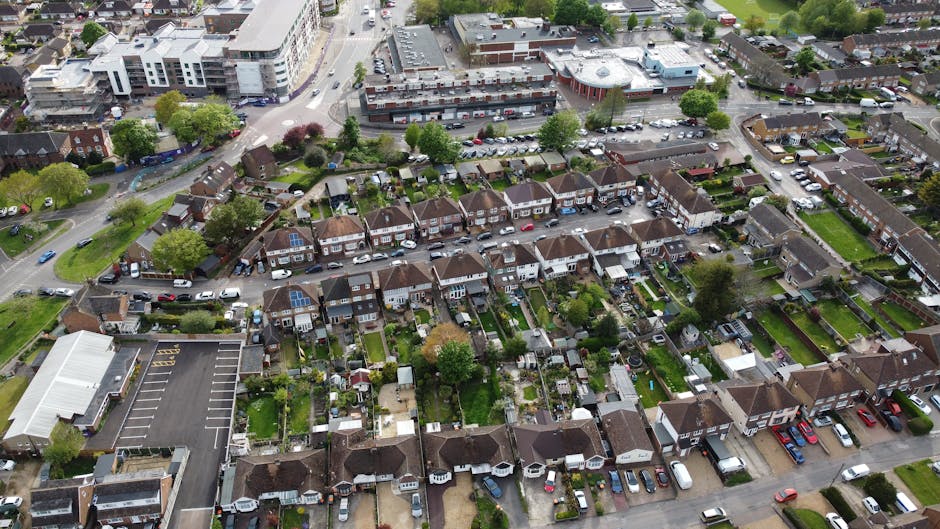
Harrow is a north-west London borough with a varied landscape that ranges from dense residential streets to larger open spaces and older village centres. The name is often associated with Harrow on the Hill, where the elevated historic core preserves a strong sense of place, with winding streets, older buildings and views that set it apart from the lower-lying parts of the borough. The area developed from a cluster of settlements and countryside into a suburban district, while still retaining pockets of distinct identity in places such as Pinner, Wealdstone and Stanmore. Harrow School, founded in 1572, is one of the most recognisable institutions connected with the area, and the hilltop setting has long been a notable landmark in west Middlesex’s historic landscape. Elsewhere in the borough, parks and commons form important green corridors, including Headstone Manor Recreation Ground, Bentley Priory Open Space and Hatch End’s local green spaces, each contributing to the borough’s mixed character. The local street pattern reflects different phases of growth: older lanes and village greens sit alongside later housing estates, shopping parades and transport links. Harrow also has strong cultural variety, with places of worship, community facilities and retail centres reflecting the changing population over time. Its built environment combines period homes, interwar suburbs and more recent development, so the borough has a patchwork feel rather than a single uniform centre. That mixture is part of what makes Harrow distinctive within Greater London, with the hill, the open spaces and the surrounding residential districts each adding a different layer to the local story.
Garden clearances for homes, landlords and managing agents
Different customers need different outcomes from a garden clearance. A homeowner may want a one-off tidy so the space can be enjoyed again, while a landlord or managing agent may need the garden cleared to a presentable baseline between tenancies. We can adapt the work to the condition of the site and the level of finish required, rather than treating every property as if it needs the same depth of clearance.
Where a garden has been left with mixed refuse, old furniture or forgotten outdoor storage, the work may involve more than moving vegetation. In those cases, a careful sequence matters: first identify what is organic, what is reusable, what is broken and what needs to be disposed of separately. This approach is useful because it avoids rushing a job that contains more than one kind of waste and gives you a cleaner overall result.
If you are planning ahead for a tenancy change, sale or refurbishment, it is sensible to state whether the aim is visual presentation, full removal or just making the area manageable. That helps shape the quote and the method. A short note and a few practical details go a long way when you are arranging the work.
Preparation, access and practical pricing factors

To quote accurately, we normally need to understand the amount and type of waste, how easy it is to reach the garden and whether any items need dismantling before they can be removed. These are the main factors that influence the scale of the work. A garden reached through a narrow side passage, for example, can take longer to clear than one with direct access, even if the pile itself looks similar from the outside.
It also helps to know whether the clearance includes only loose waste or whether it should cover fixed or semi-fixed items such as timber structures, broken sheds, old edging or heavy containers. The more clearly the scope is described, the easier it is to set expectations about the work. We keep this stage simple and focused, so the conversation stays about the actual job rather than unnecessary detail.
- Describe the main materials you want removed.
- Note whether access is via a side gate, alleyway or indoor route.
- Mention if there are heavy, awkward or broken items.
- Say whether the job is a light tidy or a fuller clearance.
Recycling, sorting and responsible disposal
Garden clearance works best when the waste stream is handled with sorting in mind. Organic material such as branches, clippings and leaves can often be kept separate from mixed rubbish, while timber, metals, plastics and general debris may need different treatment. That distinction matters because a mixed load is easier to process when it has been organised sensibly before disposal. We therefore treat the clear-up as more than a simple collect-and-tip task.
Not every item in a garden belongs to the same category. A clearance might include reusable pots, recyclable timber, damaged hard landscaping pieces and fully broken waste that can no longer be kept. By separating what can sensibly be separated, the job becomes more orderly and the remaining waste is easier to deal with. This is particularly helpful when a garden has served as storage for many different things over time.
Customers often want to know whether a space can be left ready for follow-on work after the clearance is complete. While the exact finish depends on the garden itself, the usual objective is to remove the obvious waste, reduce clutter and leave a workable area behind. That makes the next stage easier, whether the next step is mowing, planting, repairing, or simply enjoying the cleared space.
Making the most of a cleared garden
A well-managed garden clearance can change how an outdoor area is used without requiring a redesign on the spot. Some customers want a blanker starting point for a new layout, while others just want to open up paths, borders and seating areas so they can move around the garden more comfortably. The service is about restoring use and order, not just removing what is obvious at first glance.
In many cases, the final result is best understood as a reset. Once clutter, cuttings and damaged items are out of the way, the remaining structure of the garden becomes easier to assess. That can help with decisions about maintenance, planting, repairs or future improvements. We keep the clearance itself focused so that the space is left ready for whatever stage comes next, without overpromising a finished landscaping result.
If you are comparing clearances in Harrow, it can help to think about the outcome you want as well as the waste itself. Clearer access, tidier borders and a more manageable layout are all common goals, but each garden needs a slightly different plan. When you are ready to move forward, get in touch for a quotation.
Garden clearance for larger or more neglected spaces

Some gardens need more than a routine tidy because they have been unused for a long period or have accumulated several layers of waste. In those cases, the work can involve stripping back overgrowth, removing hidden rubbish and dealing with heavier items that have been left outdoors for a long time. These jobs are still garden clearances, but they benefit from a calmer, more systematic process.
Where growth has become dense, it is important to work in a sensible order so that the buried items and the surface waste are dealt with without missing anything. Old materials can be fragile, wet or partially broken down, so care is needed when lifting and loading them. That is why a fuller clearance is often best handled as a planned visit rather than as a quick sweep through the garden.
We aim to keep the process straightforward for you: identify the main zones, remove the waste in a controlled way and leave the area clear enough for the next decision. Whether the garden is large, compact or irregularly shaped, the same principles apply. The work should be practical, tidy and proportionate to the amount of material that needs to go.
What to do before the visit and how to book
Before a clearance, it is helpful to separate anything you want to keep from the items that need removing. Moving obvious valuables, tools or planting stock away from the clearance zone reduces confusion and helps the work proceed smoothly. If there are specific access instructions, such as a shared path, locked gate or parking restriction, it is worth mentioning these in advance so the plan can be arranged around them.
Photographs can be useful when a garden is difficult to describe in words, especially if there are several different waste types or awkward areas out of view. A few clear images and a brief note about the outcome you want are often enough to start a quotation discussion. Keep the description simple, include any important limitations and say whether the job is partial or full, as that usually gives the clearest basis for the estimate.
For a direct next step, use the contact details on the site and ask for a quotation. If you already know the items involved, include them in your message so the response can be more relevant. We will then look at the scope of the work and discuss the most suitable way to carry out the garden clearance in Harrow.